
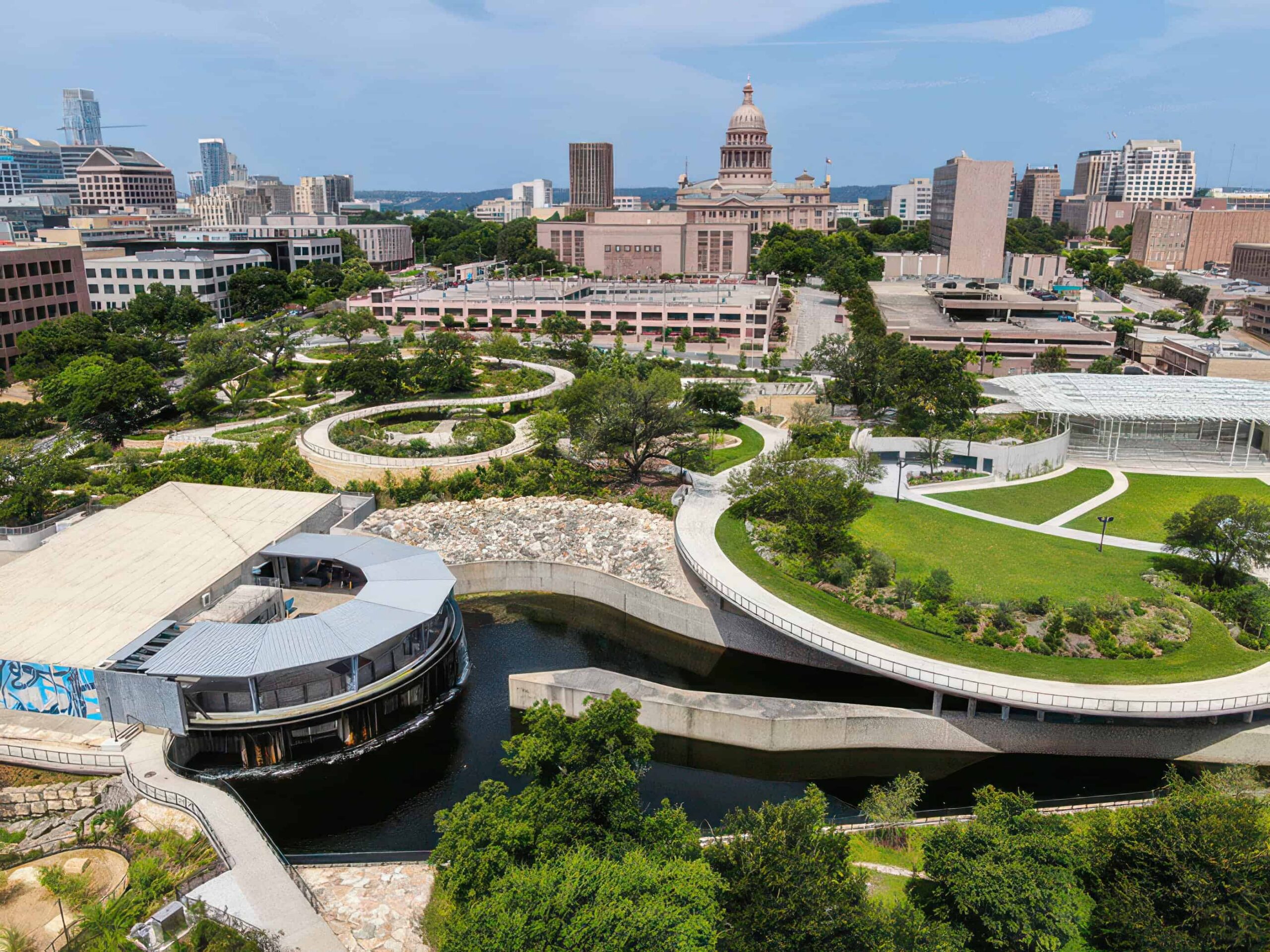
In 2012, Still Water Foundation began supporting Waterloo Greenway Conservancy in its bold vision to develop a 35-acre park system across an over-paved and neglected corridor in downtown Austin. This decade-long effort restores the natural ecosystem along historic Waller Creek, and in doing so, leverages nature as an asset to achieve goals ranging from flood control to world-class design and recreation. Now in its third and final phase of development, the 1.5 mile trail system and surrounding parkland stand as a testament to what is possible when landscape is regarded as a cornerstone, and not an afterthought.
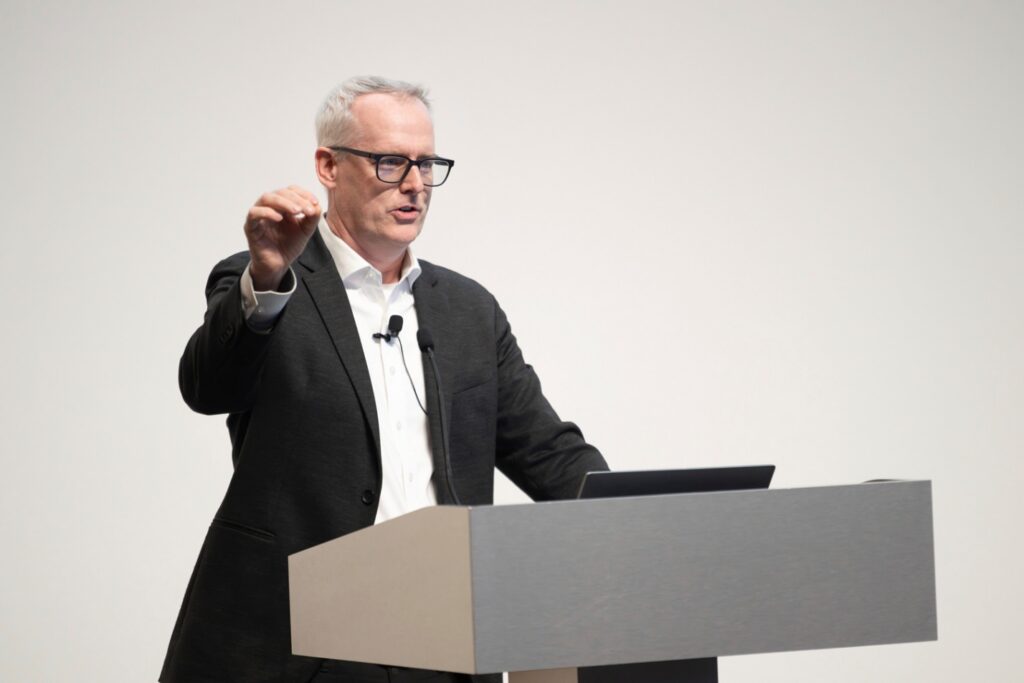
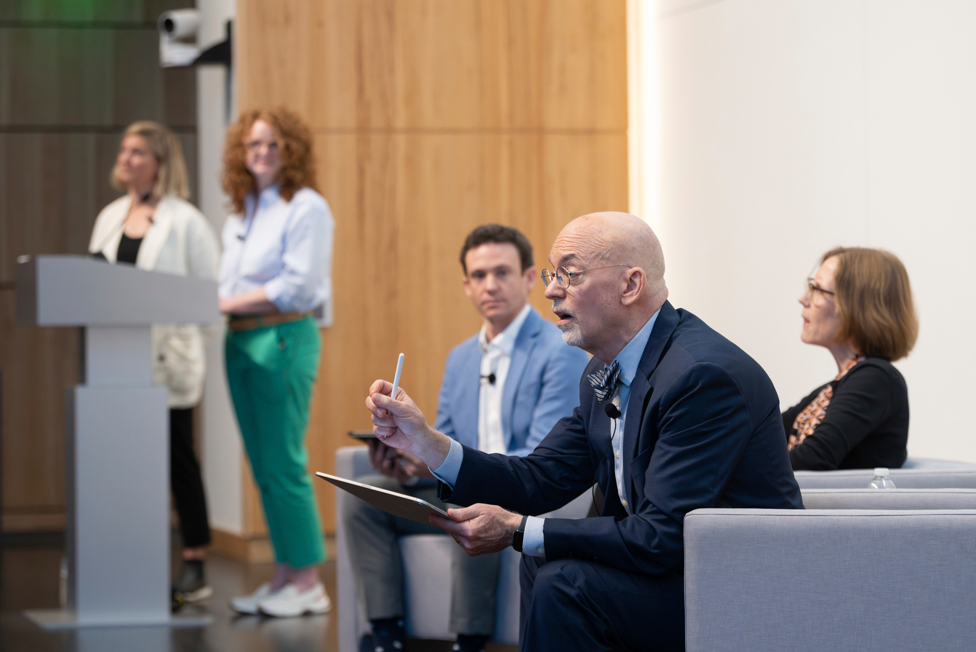
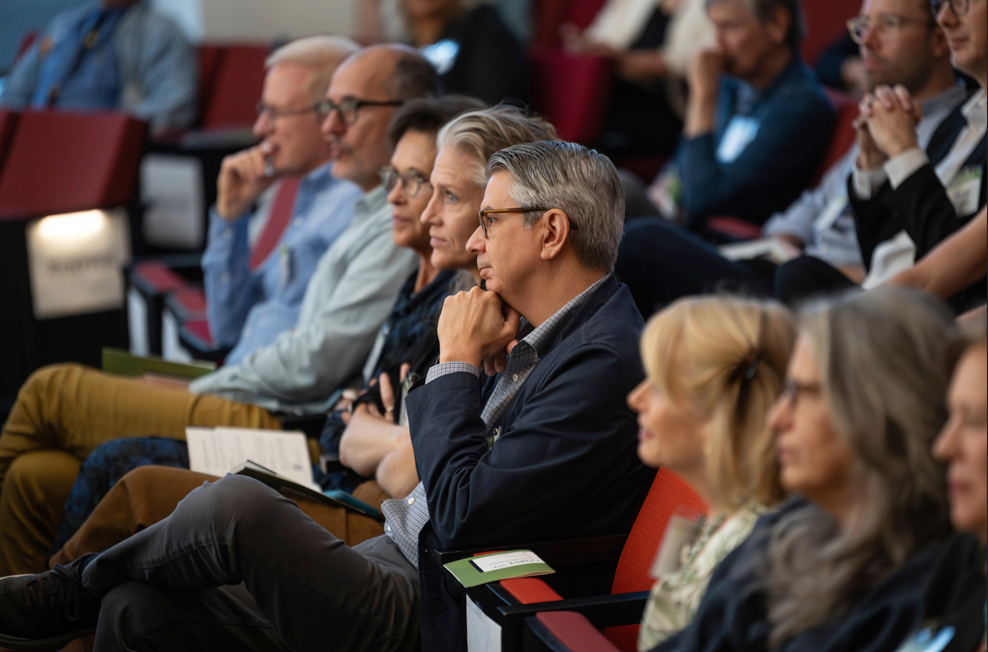
Through the success of Waterloo Greenway, Still Water Foundation witnessed first-hand the impact of this “landscape first” approach in our community, and sought to expand on the concept through a first-of-its-kind convening. The University of Texas at Austin School of Architecture and Still Water partnered in bringing together elected officials, community stakeholders, and professionals in planning, design, engineering, and real estate development from Austin and across Texas. At this “Landscape First” conference, participants envisioned what can be achieved when landscapes are prioritized in urban settings. Interactive talks and panels explored how nature-based solutions inspire creativity, unite neighborhoods, improve health, and support new infrastructure for urban resilience.
When asked to reflect on a key takeaway from the conference, an anonymous attendee shared: “The landscape, that is everything outside buildings, should be considered as infrastructure. To even the playing field amongst disciplines and to raise the prominence of the role that landscape plays, for example, in raising property values, sequestering carbon, and so on, it should be considered and valued as other forms of infrastructure are. Landscape Architects can and should be doing this in their discussions with their clients, municipalities, other design professionals, legislatures, and others.”
While the Landscape First Conference has concluded, the conversations continue. Still Water has partnered once again with the UT School of Architecture, this time to publish a Landscape First Essay Series. This online compendium shares further reflections and case studies from a selection of conference presenters, all underscoring the critical role nature plays in community connectedness and well-being.